
Complete Guide
Ovarian Cancer Symptoms & Early Detection: The Complete Guide
The signs are quiet and easy to miss. Here's what to watch for, and why catching it early changes everything.
9 min readRead
Clear, dignified, plain-language guides on ovarian cancer, from the first quiet symptoms to life after treatment. Every article is grounded in trusted medical sources like the ACS, NCI, and CDC.
The vague, easy-to-dismiss signals, and the early-detection realities every woman deserves to understand.
The signs are quiet and easy to miss. Here's what to watch for, and why catching it early changes everything.

Bloating and belly pain can mean a lot of things. Here's how the patterns differ, and when to push for answers.

Most bloating is harmless. The kind that doesn't go away is worth a closer look.

There's no Pap smear for ovarian cancer. Here's what actually helps you stay ahead of it.

A common blood test, but not a simple yes-or-no. What the numbers mean, and what they don't.

Knowing what happens in the room takes some of the fear out of it. A calm, step-by-step walk-through.

A simple way to track what's normal for you, so you can spot what isn't and speak up sooner.

The Goff Symptom Index is a validated tool designed to help recognize symptom patterns that may signal ovarian cancer. Learn what symptoms it tracks, how it works, and why it matters for earlier detection.
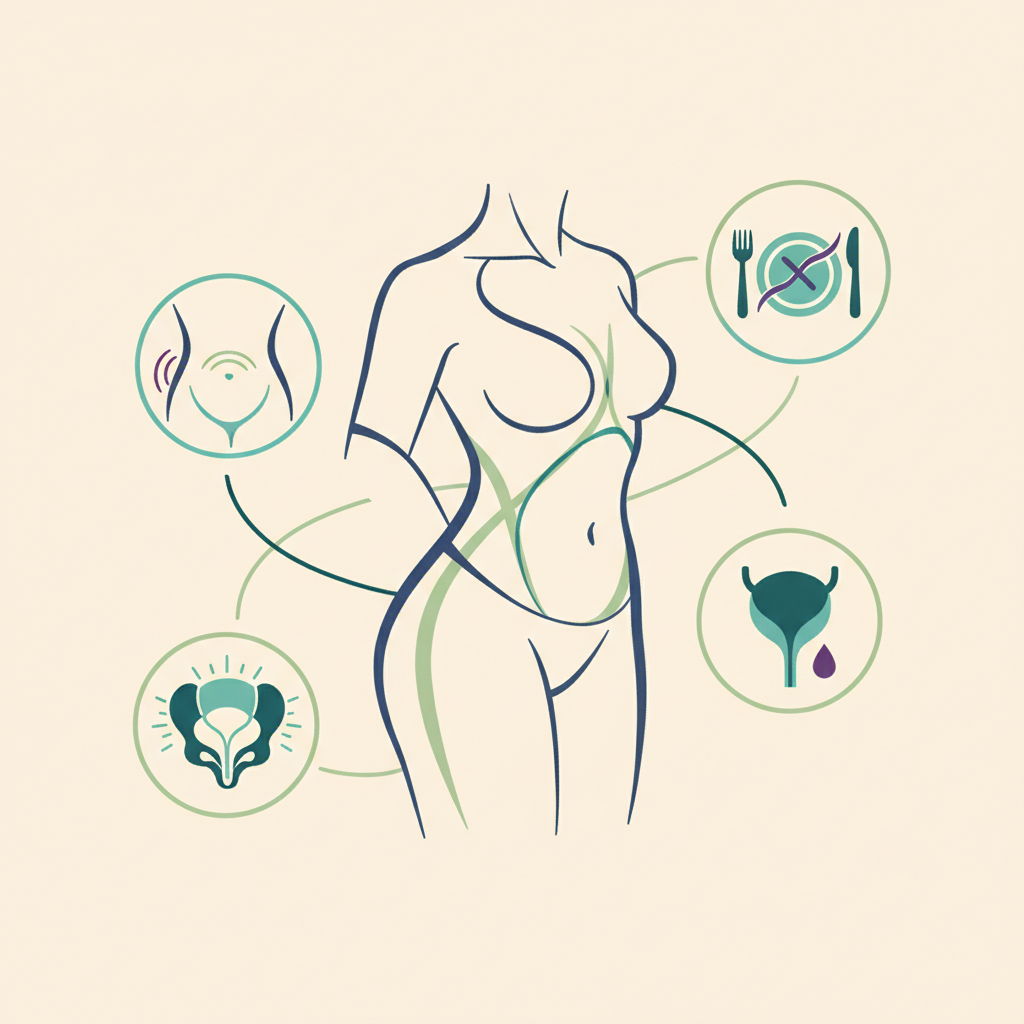
A visual quick-reference guide for common ovarian cancer symptoms and risk factors.
Family history, BRCA, and what the research really says about lowering your risk.
Some risks you can change, some you can't. Understanding both helps you make informed choices.

Understanding hereditary ovarian cancer, the role of family history and genetic mutations like BRCA, and how to take proactive steps for your health.
A gene change can raise your risk, and knowing about it opens doors to prevention.
If cancer runs in your family, here's how to think about testing and what it could mean.
No guarantees, but real, evidence-based steps that may tip the odds in your favor.

A growing body of research suggests GLP-1 receptor agonists may offer a protective effect against ovarian cancer. Here's what the latest evidence shows.

A clinical overview of the evidence linking GLP-1 receptor agonist use to reduced ovarian cancer incidence and improved patient outcomes.

Learn about opportunistic salpingectomy—the surgical removal of fallopian tubes during other pelvic procedures—and how it serves as a key risk-reduction strategy for ovarian cancer.
Learn how to identify if ovarian cancer runs in your family and the first steps to take if you have concerns.
Plain-language guidance for the days after a diagnosis, stages, types, treatments, and the right questions to ask.

The first days are overwhelming. Here's a steady roadmap for what comes next.

What 'stage' really means for treatment and outlook, without the jargon.

Not all ovarian cancers are the same. Knowing the type shapes the treatment plan.

An overview of the main treatments and how doctors decide which path fits.

Walk into appointments prepared. A printable list of the questions that matter most.

Seeing the right specialist can change outcomes. Here's who they are and why it counts.

Understanding the role of HE4 and the ROMA algorithm in stratifying ovarian cancer risk.
Understanding PARP inhibitors: A targeted therapy that blocks DNA repair in cancer cells, often used in maintenance for ovarian cancer.
Exploring new research into microRNA-based blood tests and the MiDe Study's role in the future of earlier ovarian cancer detection.

HopeCare Global today announced the launch of OvaTrack, a mobile application designed to help women understand their ovarian cancer risk, track symptoms, and navigate the path to care.
Why outcomes differ by race and geography, and what equitable care looks like.

Who gets diagnosed early, who gets the best care, and why it's not equal. What has to change.

The disparity is real and documented. Understanding why is the first step to closing it.

This isn't only a Western concern. A look at the global picture and the work ahead.

Exploring why rural women face significant delays in ovarian cancer diagnosis, from cultural barriers to structural gaps in care.
Standing together for World Gynecological Oncology Day: shining a light on ovarian cancer and committing to closing health disparities.

A landmark bipartisan bill to expand genetic testing, improve access to gynecologic oncology care, and strengthen education — and where HopeCare stands on it.
Survivorship, caregiving, cost navigation, and breaking the silence in our families and faith communities.

Finishing treatment is a milestone, not the end of the journey. What survivorship really looks like.

Care shouldn't bankrupt you. A practical guide to the help that's out there.

How to show up, practically and emotionally, without burning out yourself.

Silence costs lives. How to start honest, dignified conversations where they're hardest to have.

Trials can mean access to tomorrow's treatments today. Here's how they work and how to find one.

Celebrating the beginning of my PhD journey at the University at Buffalo and the honor of being a Stephanie Mucha Scholar.
Reach out, or tell us what you'd like to learn about next. These guides are here to serve you.