
Know the signs
Ovarian Cancer: Symptoms & Risks Quick Reference
1 min readSeptember 24, 2026
# Ovarian Cancer: Symptoms & Risks Quick Reference
Awareness is the first step toward early detection. This guide provides a quick look at the most common symptoms and risk factors associated with ovarian cancer.
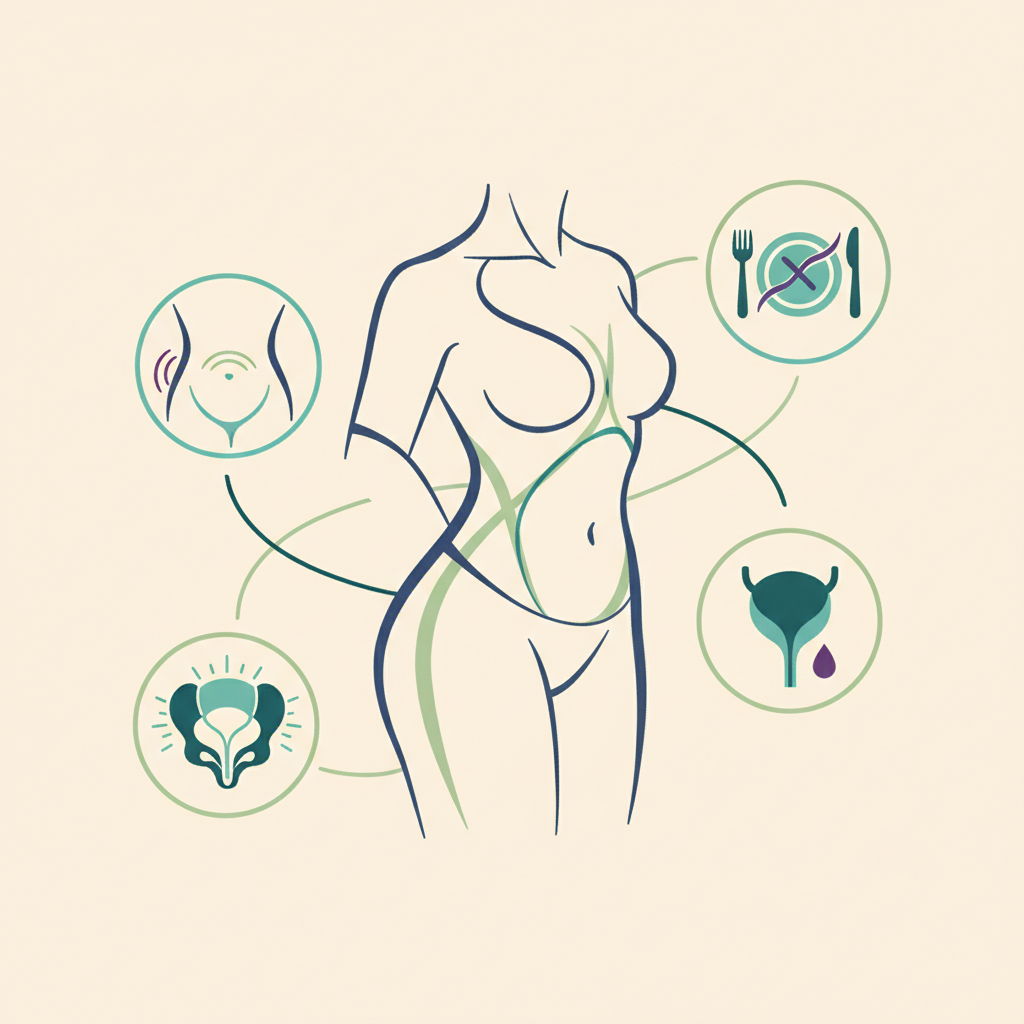
Common Symptoms
These indicators are most concerning when they are new, persistent, and frequent—occurring often, on most days, over a stretch of weeks.
- 🎈 Bloating: Increased abdominal size or persistent bloating.
- 🍽️ Eating Complications: Difficulty eating or feeling full quickly.
- 🩹 Pelvic or Abdominal Pain: Pain that doesn't let up.
- 🚽 Urinary Symptoms: Urgent or frequent urination.
- 🩸 Abnormal Vaginal Bleeding: Especially post-menopause or irregular for your cycle.
- 💩 Bowel Habits: Changes such as constipation or irregularity.
- 😴 Extreme Fatigue: Unexplained and persistent exhaustion.
If these symptoms occur more than 12 times a month, consult your healthcare provider.
Know Your Risk
Ovarian cancer can affect any woman, but being aware of your risk helps you advocate for your health.
- Age: Risk increases as you get older, particularly after menopause.
- Family History: Having a mother, sister, or daughter with ovarian, breast, or colorectal cancer.
- Genetic Mutations: Carriers of BRCA1/BRCA2 or Lynch syndrome have a significantly higher risk.
- Reproductive History: Never having been pregnant, or having children later in life.
- Health Conditions: Including endometriosis and obesity.
---
Advocate for Yourself You are the expert on your own body. If symptoms are new and persistent, speak up: "These symptoms are new, they happen almost every day, and they've lasted more than two weeks. Could this be related to my ovaries?"
***
Disclaimer: This guide is for educational purposes only. It is not medical advice. Always speak with your healthcare provider about your symptoms and risk factors.