Family History and Ovarian Cancer: Should You Get Tested?
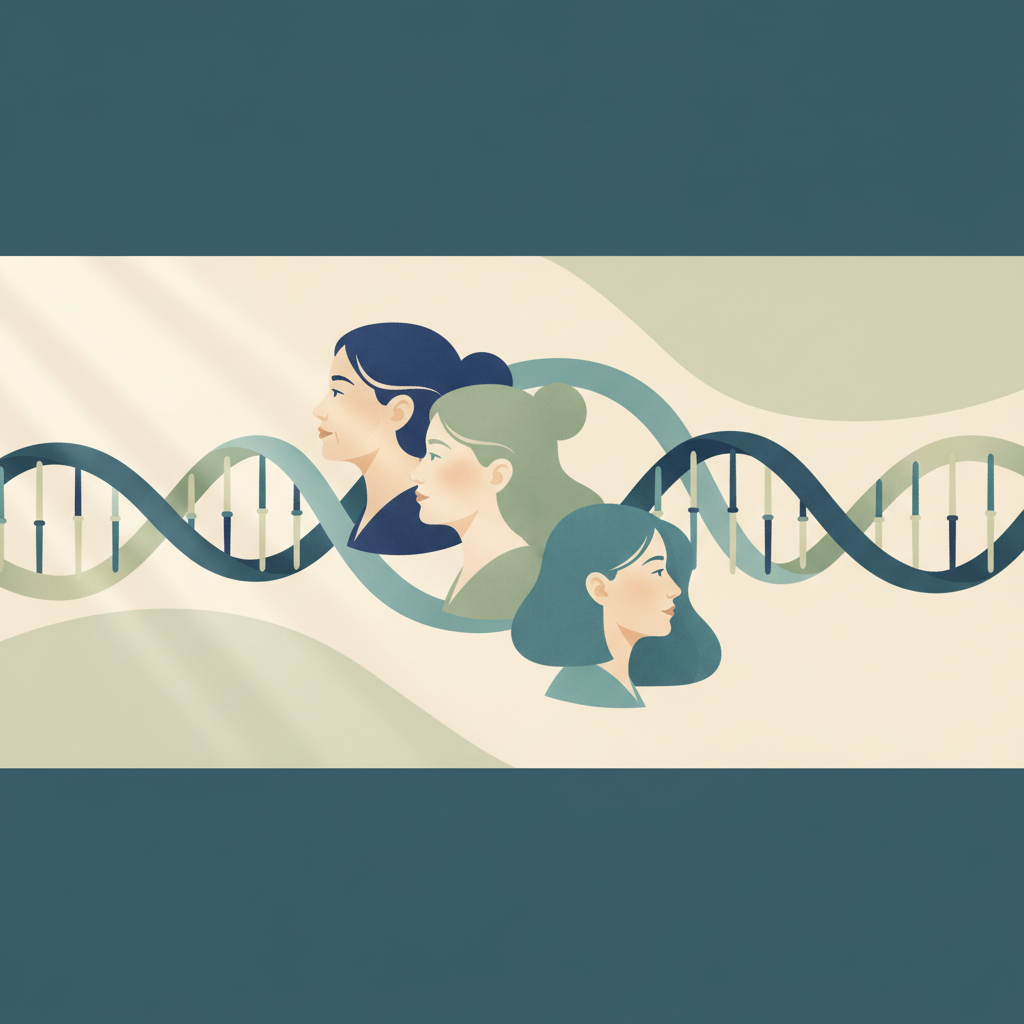
If a mother, sister, aunt, or grandmother has faced ovarian cancer, you have probably wondered: Could this happen to me, too? Should I get tested?
Those are fair questions, and you are not overreacting by asking them. An ovarian cancer family history is one of the most important clues we have about a person's risk, because there is still no reliable routine screening test for ovarian cancer. Knowing your family's story can help you and your doctor make smart, early decisions.
This article walks through what family history really means, who might benefit from genetic counseling and testing, and how to start the conversation. It is meant to inform you, not to scare you. Most people with a family member who had ovarian cancer will never get it themselves.
How family history affects ovarian cancer risk
For women in the general population, the lifetime risk of ovarian cancer is low: less than 2%, according to the American Cancer Society. That number can change when ovarian cancer or related cancers run in your family.
Here is a key fact many people do not know: up to 25% of ovarian cancers are part of family cancer syndromes caused by inherited gene changes that pass down through families, per the American Cancer Society. The rest happen by chance, with no clear family pattern.
So family history matters, but it is not destiny. It is a signal that you and your doctor may want to look closer, not a diagnosis.
Which relatives count?
When clinicians look at family history, they pay special attention to close blood relatives on either your mother's or your father's side. Yes, your father's side counts. Inherited risk genes can be passed down by men, even though they do not develop ovarian cancer themselves.
Patterns that may raise concern include:
- Ovarian, fallopian tube, or primary peritoneal cancer in a close relative
- Breast cancer, especially before age 50 or in more than one relative
- Several relatives with related cancers (breast, ovarian, colon, uterine, prostate, or pancreatic)
- A known inherited gene change already found in your family
- Ashkenazi Jewish ancestry, which carries a higher chance of certain BRCA gene changes
You do not need to figure this out alone. Bringing this list to a doctor or genetic counselor is exactly what they are trained to sort through.
The genes behind hereditary ovarian cancer
Most inherited ovarian cancer traces back to changes in specific genes. The two best known are BRCA1 and BRCA2.
According to the American Cancer Society:
- Women with a BRCA1 change have an estimated 35% to 70% lifetime risk of ovarian cancer.
- Women with a BRCA2 change have an estimated 10% to 30% risk by age 70.
- Compare that to less than 2% for women in the general population.
Other genes can also raise risk, including ATM, BRIP1, RAD51C, RAD51D, and PALB2, though usually by smaller amounts (American Cancer Society). Lynch syndrome, an inherited condition tied to colon and uterine cancer, can raise ovarian cancer risk as well.
Having one of these gene changes does not mean you will get ovarian cancer. It means your risk is higher than average, which is useful to know, because it opens the door to prevention and closer monitoring.
Should you get genetic testing?
Genetic testing is a personal decision, and it is not for everyone. But for some people, it can be genuinely life-changing information. Major medical groups, including the Society of Gynecologic Oncology (SGO) and the American College of Obstetricians and Gynecologists (ACOG), recommend genetic counseling and testing for people with a personal or family history that suggests inherited risk.
You may be a good candidate to talk with a professional about testing if you have:
- A personal history of ovarian, fallopian tube, or peritoneal cancer
- A close relative diagnosed with ovarian cancer
- A family history of breast cancer, especially at a young age or in multiple relatives
- A known BRCA or other risk-gene change in your family
- Ashkenazi Jewish ancestry along with a family history of these cancers
In fact, the SGO recommends that everyone diagnosed with ovarian, fallopian tube, or peritoneal cancer be offered genetic counseling and testing, regardless of age or family history, because many people with inherited risk have no obvious family pattern. Testing also matters for their close blood relatives. If a relative who had ovarian cancer was never tested, your doctor can still help map out your options.
What testing actually involves
The process is usually simpler than people expect:
- 1.Genetic counseling first. A counselor reviews your personal and family history and explains what testing can and cannot tell you.
- 2.A blood or saliva sample. The test itself is not a surgery or scan, just a sample.
- 3.Results and a plan. A counselor helps you understand what the results mean and what steps, if any, make sense for you.
A "positive" result does not mean you have cancer. It means you carry a gene change that raises risk, which lets you and your care team act early. A "negative" result can bring real peace of mind. And sometimes results are uncertain, which is exactly why having a counselor matters.
What if your test shows higher risk?
Learning you carry a risk gene can feel heavy. Take a breath. This knowledge is a tool, not a sentence. People with higher inherited risk have real options to discuss with their doctors, such as:
- More frequent check-ins and symptom monitoring
- A conversation about risk-reducing surgery, which guidelines from groups like ACOG note can substantially lower ovarian cancer risk for certain gene carriers
- A clear plan for the relatives who may share the same risk
Every option is a conversation with your own care team, based on your health, your age, your family plans, and your values. There is no one-size-fits-all answer, and you deserve one built around you.
Why this matters, especially for women left out of the conversation
Ovarian cancer is often found late because early symptoms, such as bloating, feeling full quickly, or pelvic discomfort, are vague and easy to brush off. About 1 in 91 women will be diagnosed in her lifetime (American Cancer Society), and because there is no reliable routine screening test, many cases are not caught early.
The burden is not shared equally. Research shows Black women face lower survival rates than white women, driven largely by disparities in timely diagnosis, guideline-based treatment, and access to care. Studies also suggest that when access and treatment are equal, much of that survival gap narrows. Family history awareness and genetic counseling have too often left out the very women who could benefit most.
That gap is exactly what HopeCare Global works to close, through education, early-detection support, and patient navigation for the families historically left out of these conversations. Knowing your story is power, and that power should belong to everyone.
Key takeaways
- A family history of ovarian or breast cancer can raise your risk, but most people with an affected relative will not get ovarian cancer.
- Up to 25% of ovarian cancers are linked to inherited gene changes (American Cancer Society).
- BRCA1 and BRCA2 are the best-known risk genes; others include ATM, BRIP1, RAD51C, RAD51D, PALB2, and Lynch syndrome.
- Relatives on both your mother's and father's side count.
- Genetic counseling and testing are recommended for people with a personal or strong family history (SGO, ACOG).
- A positive result is not a diagnosis. It is early information that opens the door to prevention and closer care.
Talk with someone who can help
If your ovarian cancer family history has been weighing on you, the next step is simple: bring it up with a doctor or genetic counselor. Write down who in your family had cancer, what kind, and at what age. That short list can guide a meaningful conversation about whether testing is right for you.
HopeCare Global is here to walk alongside you, with plain-language education, early-detection awareness, and navigation support for you and your loved ones. You do not have to figure this out by yourself.
---
This article is for educational purposes only and is not a substitute for professional medical advice, diagnosis, or treatment. Always talk with a qualified healthcare provider or genetic counselor about your personal risk and any decisions about testing or care.
Sources
- American Cancer Society, The lifetime ovarian cancer risk in the general population is less than 2%; up to 25% of ovarian cancers are part of family cancer syndromes from inherited gene changes; BRCA1 carriers have an estimated 35-70% lifetime risk and BRCA2 carriers 10-30% by age 70; other risk genes include ATM, BRIP1, RAD51C, RAD51D, and PALB2; BRCA mutations are ~10x more common in those of Ashkenazi Jewish descent.
- American Cancer Society, A woman's lifetime risk of getting ovarian cancer is about 1 in 91, and her lifetime risk of dying from it is about 1 in 143.
- Society of Gynecologic Oncology (SGO), All women diagnosed with ovarian, fallopian tube, or peritoneal carcinoma, regardless of age or family history, should receive genetic counseling and be offered genetic testing; results inform risk for relatives.
- American College of Obstetricians and Gynecologists (ACOG), Genetic counseling is recommended for women with ovarian/fallopian tube/peritoneal cancer and those with a personal or family history of breast or ovarian cancer; women with BRCA or other actionable mutations should be offered risk-reducing bilateral salpingo-oophorectomy, which reduces ovarian/fallopian/peritoneal cancer risk by 85-90%.
- National Cancer Institute, BRCA1 and BRCA2 gene changes are inherited (one copy from each parent), so risk can come from either the mother's or father's side; testing uses a blood or saliva sample; risk-reducing salpingo-oophorectomy lowers ovarian cancer risk.
- Peer-reviewed literature (PMC/NCBI), Black women experience lower ovarian cancer survival than white women, driven largely by disparities in timely diagnosis, guideline-concordant treatment, and access to care; under equal access, much of the survival gap narrows.
- American Cancer Society / Ovarian Cancer Research Alliance, Females with Lynch syndrome (MLH1, MSH2, MSH6 mutations) have an elevated lifetime risk of ovarian cancer compared with the general population.