
Hereditary Ovarian Cancer: Understanding Your Risks and Genetic Health
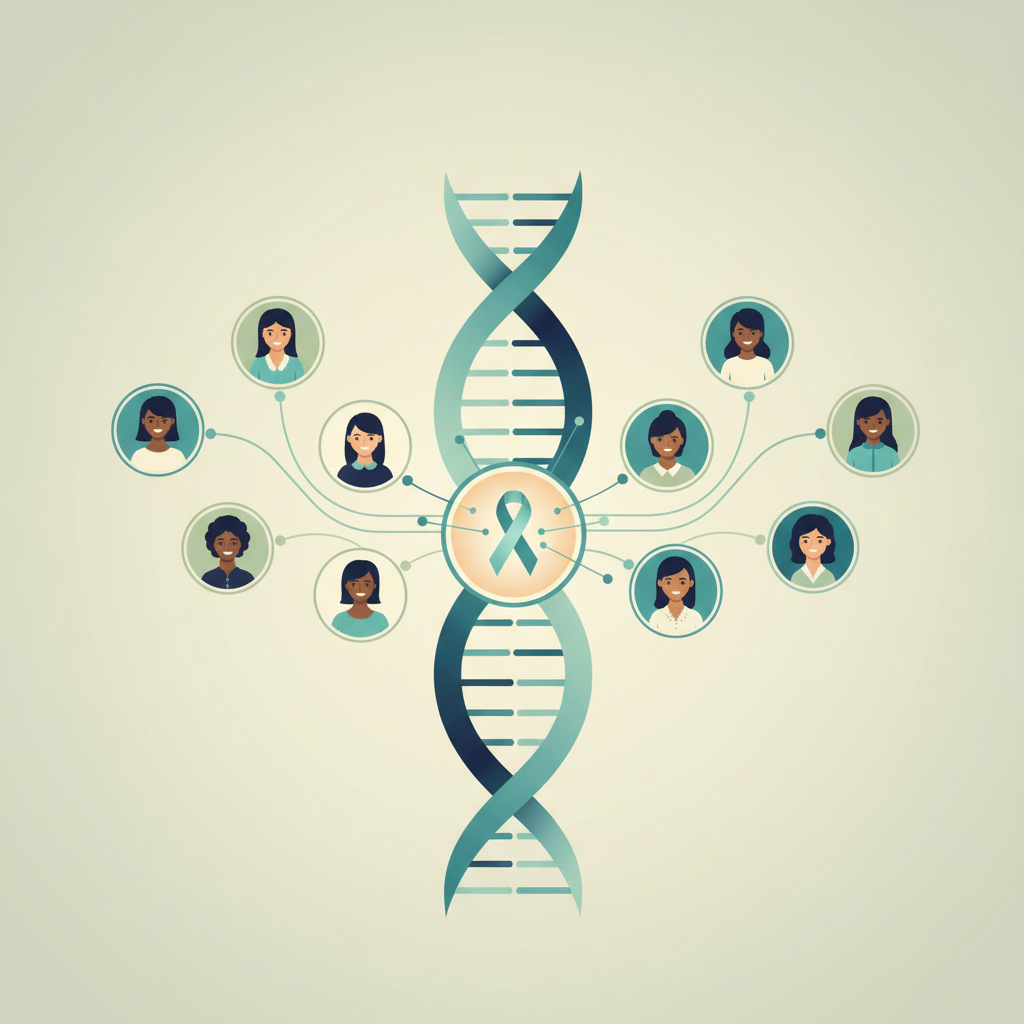
Hereditary Ovarian Cancer: Understanding Your Risks and Genetic Health
Ovarian cancer risk can run in families. During Hereditary Cancer Awareness Week, we want to remind you that taking time to learn your family’s cancer history—on both sides—is one of the most powerful steps you can take for your health.
What is Hereditary Ovarian Cancer?
While most ovarian cancer diagnoses are not inherited, about 15-20% of cases have a hereditary cause. Hereditary ovarian cancer occurs when a genetic mutation (a "fault" in a gene) is passed from a parent to a child. This mutation increases the likelihood that an individual will develop ovarian cancer over their lifetime.
Inherited changes such as BRCA1, BRCA2, and those associated with Lynch syndrome can increase ovarian cancer risk. It is important to remember that inheriting a mutation does not mean you will definitely get cancer; it means your risk is higher than the average, and therefore, different health management strategies may be appropriate for you.
Key Factors in Your Risk Profile
When assessing your personal risk, healthcare providers typically look at three major categories:
#### 1. Family History A pattern of cancer in your family is often the first indicator of hereditary risk. Important questions to discuss with your doctor include: Have multiple relatives on either your mother’s or your father’s side had ovarian, breast, or fallopian tube cancers? Were any of these family members diagnosed at a young age (e.g., under 50)? * Is there a history of pancreatic or prostate cancer in the family?
#### 2. Genetic Testing If you or a relative has had ovarian cancer, ask a healthcare professional whether genetic counseling is right for you. A genetic counselor can help you understand your history and whether testing may be useful. They can: Create a detailed family cancer history map. Explain what a positive, negative, or "variant of uncertain significance" (VUS) result means. * Help you navigate decisions about preventative steps.
#### 3. Personal Health Context Your own medical history—such as a personal history of breast cancer—may also change the recommendations for genetic testing and how intensively you should be screened for ovarian cancer.
Prevention and Management
If you carry a genetic mutation that increases your risk, you have options. These might include: Enhanced Screening: Tailored screening schedules to catch changes early. Risk-Reducing Surgery: Procedures, such as the removal of the ovaries and fallopian tubes once childbearing is complete, which can significantly lower the risk. Proactive Planning:* Knowing your history helps you ask informed questions and make a plan with your care team.
Moving from Fear to Action
Knowledge is power. If you are concerned about your family history, the most important step is to start the conversation. Do not wait for a diagnosis to learn about your family's health patterns. Talk to your primary care provider or gynecologist about whether a referral to a genetic counselor would be beneficial for you.
HopeCare Global is committed to making ovarian cancer education accessible to every community.
***
Disclaimer: This information is for educational purposes only and does not constitute medical advice. Please consult with a healthcare professional or genetic counselor regarding your unique family history and personal health risk.
Sources
- Ovarian Cancer Action, Around 15-20% of ovarian cancers have a hereditary cause.
- CDC, Genetic testing can help understand and manage risk for breast and ovarian cancers based on family history.
- CDC, Know your family health history to assess cancer risk.
- CDC, Understanding ovarian cancer risk factors and genetic counseling.